
Guide
How to research an antique yourself
Work from the mark first, because a maker’s mark narrows the field faster than any description of shape or decoration. Then search sold prices rather than asking prices, since only completed sales record what was actually paid. Museum collections date and attribute comparable pieces for free, and a printed marks reference still beats every website.
Work in this order
Most people research an antique by typing what it looks like into a search box, which returns whatever is currently for sale in that shape. That is the least informative place to start. Work from the hardest evidence to the softest:
- The mark, if there is one. A backstamp, an assay mark or an impressed name identifies the maker and usually narrows the date to a span of years.
- Material and construction — what it is made of and how it was put together. This dates the object even when the style lies about it.
- Form — what the object is for. Many forms went out of use entirely and their names are the search terms that find them.
- Decoration — pattern names, painted reserves, applied ornament. Useful, but the most-copied layer and therefore the last one to trust.
Search sold prices, never asking prices
An asking price is a wish. A sold price is evidence. Anyone can list a plate at £900; the question is whether anyone paid it. On eBay, filter to sold items rather than active listings. At the auction houses, look at past results rather than upcoming lots.
Free past-results archives worth knowing: Christie’s, Sotheby’s, Bonhams, and the aggregator the-saleroom, which carries several hundred regional auction houses whose prices reflect the market most private sellers actually meet. Two cautions: hammer price is not what the buyer paid — add the buyer’s premium, typically 25–30% — and a single result is an anecdote. Three comparable results are a range.
Why the same object shows three different “values” depending on who is asking is covered in auction, retail and insurance value.
Museum collections are free, catalogued, and better than they look
Every major museum now publishes its collection online with dates, attributions and often the curator’s reasoning attached. For identification this is far more reliable than a marketplace listing, because a museum has no incentive to date a piece optimistically.
- Victoria and Albert Museum — the strongest single collection for British ceramics, silver, furniture and textiles.
- The Metropolitan Museum of Art — enormous, and much of it published under Open Access with downloadable images.
- The British Museum — clocks, coins, and non-European material in depth.
- Rijksmuseum — Dutch silver, Delftware and VOC-era porcelain.
- Art Institute of Chicago and Cleveland Museum of Art — both with generous open-access image programmes.
Search them the way a cataloguer would, not the way a shopper would: use the material and the form (“jasperware vase”, “tankard silver London”) rather than an adjective, and read the object’s full record rather than only its title.
Printed references still beat the internet for marks
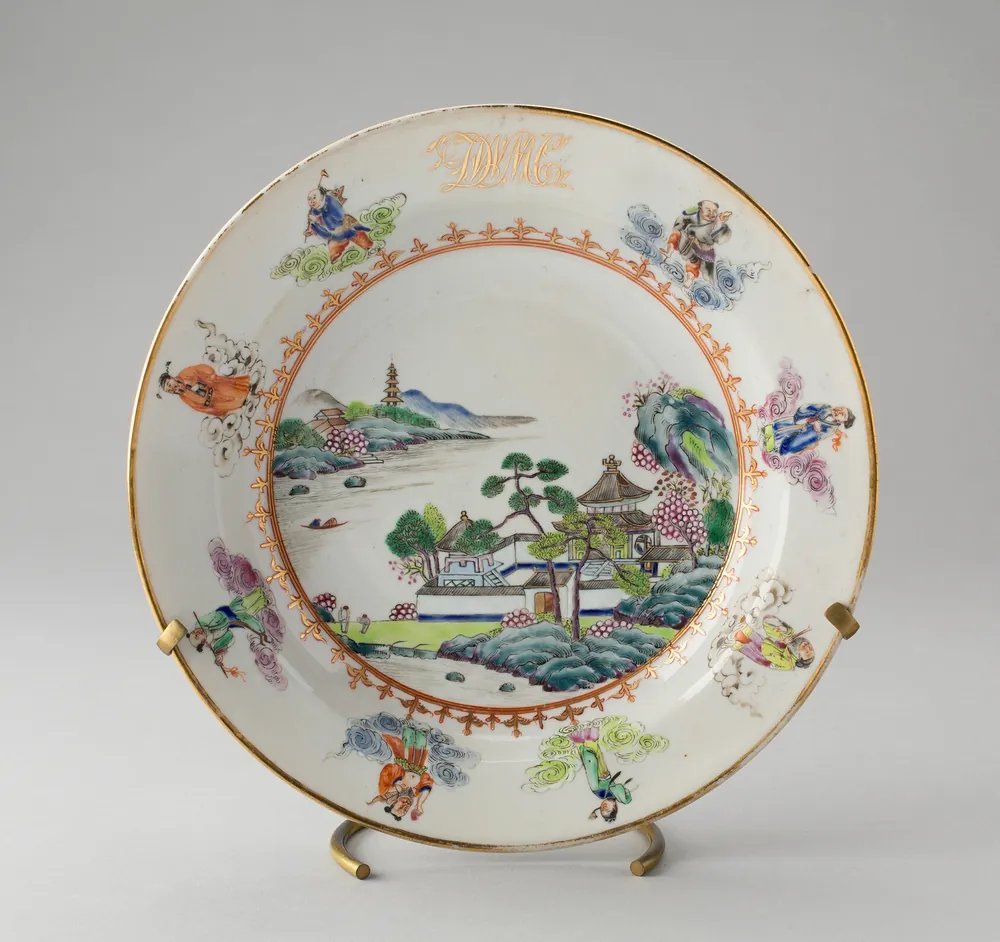
This is the one area where a book is genuinely better. Mark references are systematic — organised by symbol, by factory and by date — where a web search is organised by whatever someone happened to publish. The standard works are in most public reference libraries:
- Godden’s Encyclopaedia of British Pottery and Porcelain Marks — the reference for British ceramics.
- Bradbury’s Book of Hallmarks — pocket-sized, and the standard for British silver date letters. See also British silver hallmarks.
- Miller’s and Kovels’ annual price guides — treat the prices as historical rather than current, but the identification sections age well.
For British silver specifically, the assay offices themselves publish date-letter tables; the Goldsmiths’ Company administers the London office and its material is authoritative.
Compare like with like
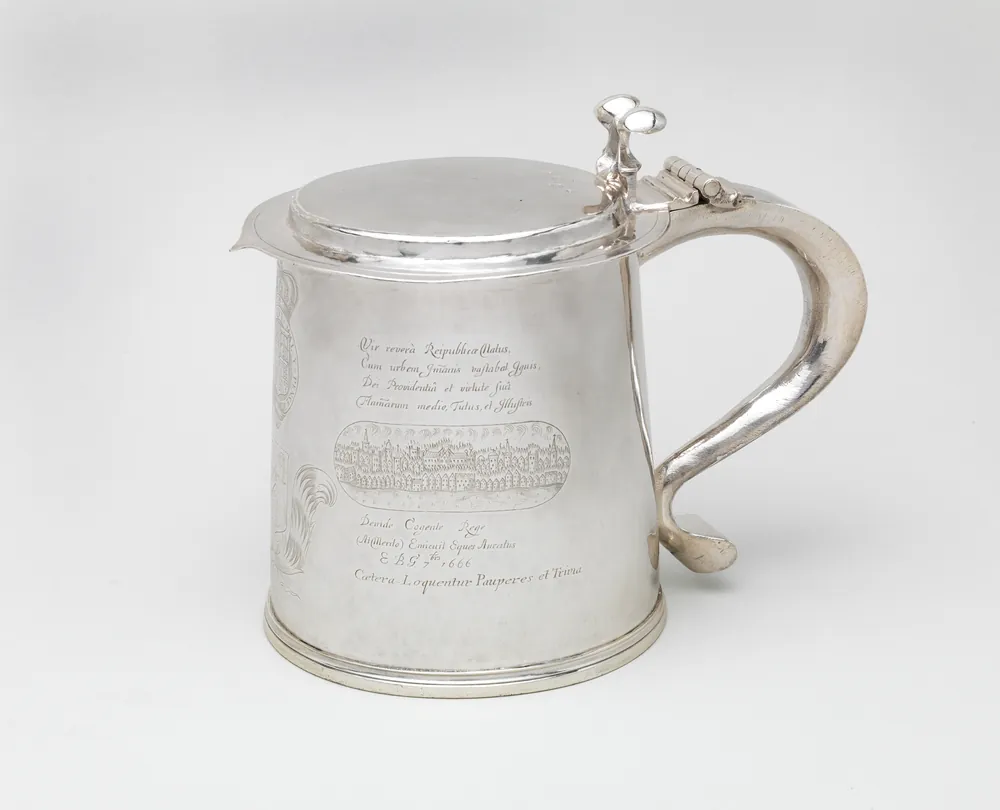
The commonest research error is finding a superficially similar piece and adopting its price. Before you accept a comparable, check that it matches on size, completeness, condition and date. A pair is worth considerably more than twice a single. A teapot with its original lid is a different object from one without. A twelve-piece service missing three pieces is not a twelve-piece service.
And check the date of the sale itself. A 2011 result in a category that has since halved is not evidence about today.
What you cannot settle this way
Research from a desk will identify most ordinary objects and will tell you when you have something unusual. It will not authenticate a high-value attribution, establish provenance, or produce a figure anyone will accept for insurance or probate. Those need an object in a specialist’s hands — when you need a professional appraiser sets out where the line falls.
It is also worth knowing what your own research is for. Establishing that a piece is probably worth £40 rather than £4,000 is a complete and useful result, and it is the outcome most of the time.
Common questions
How do I find out what my antique is worth for free?
Search completed auction results rather than current listings — Christie’s, Sotheby’s, Bonhams and the-saleroom all publish past results free, and eBay lets you filter to sold items. Find three genuinely comparable sales matching your piece on size, condition and completeness, and remember to add the buyer’s premium to any hammer price.
Where can I look up a pottery or porcelain mark?
Godden’s Encyclopaedia of British Pottery and Porcelain Marks is the standard printed reference and is held by most public reference libraries. Online, museum collections are more reliable than marketplace listings because they carry catalogued attributions — the V&A, the Met and the Rijksmuseum all publish searchable collections at no cost.
Is eBay a reliable guide to antique values?
Only its sold listings, and only with care. Asking prices on eBay reflect hope rather than market. Completed sales are real evidence, but they represent the private-sale end of the market rather than auction or dealer prices, and the same object will show a different figure in each of those three markets.
Trove identifies antiques from photographs and gives an estimated value range, with the reasoning behind it. Every figure is an AI estimate, not a professional appraisal.
Last updated: · Research and corrections policy