
AI antique appraiser
What is it, and what is it worth?
Photograph a plate, a vase, a clock, a ring or anything else you have inherited, bought or dug out of a house clearance. Trove reads the maker’s marks, judges the condition, weighs authenticity and gives you a value range — with the reasoning behind it.
- 14-day free trial
- No account, no email
- Your collection stays on your phone
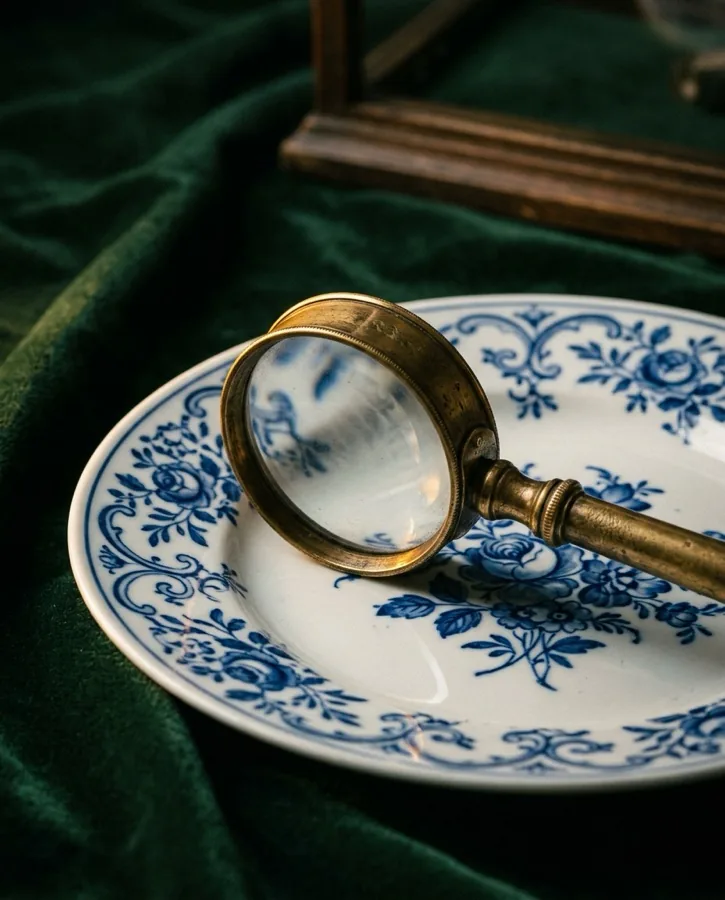

Estimates, not appraisals. Every figure Trove gives you is an AI-generated estimate produced from your photographs. It is not a professional appraisal and must not be relied on for insurance, sale, purchase, probate or any legal decision. Read the terms.
How it works
Three photographs and about a minute
No forms, no auction jargon, no waiting for someone to email you back.
-
STEP 01
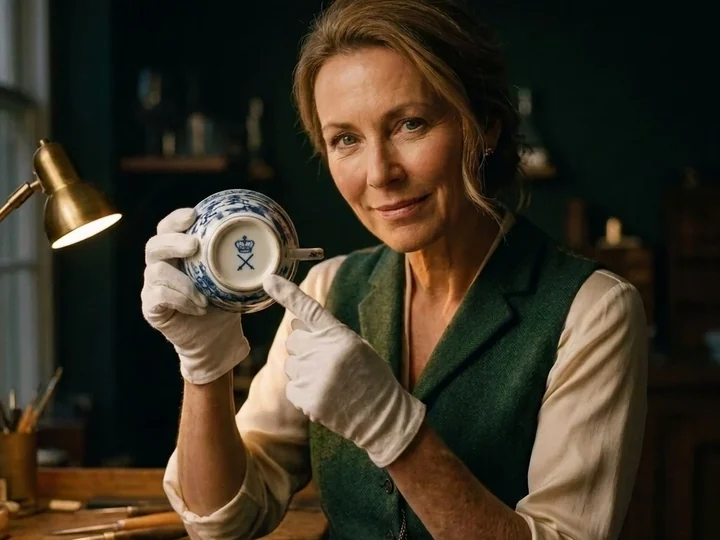
Photograph it
Take up to five photos from different angles, plus up to two close-ups of any maker’s mark, hallmark or backstamp. Add a short note if you know where the piece came from — provenance changes the answer.
-
STEP 02
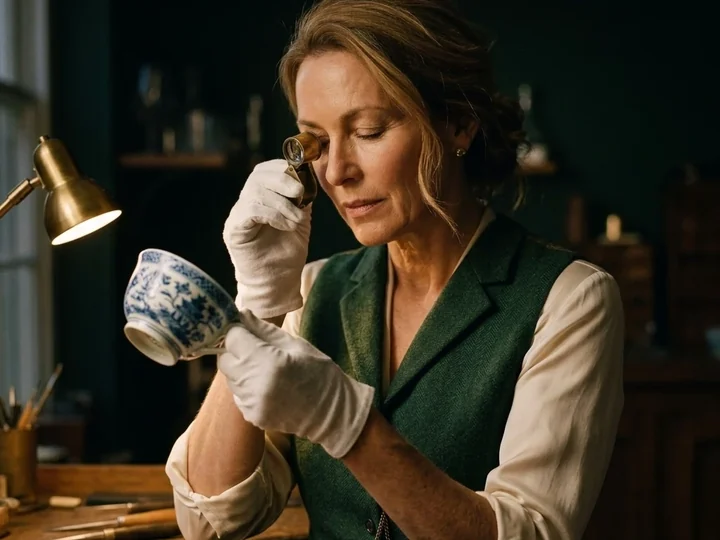
We examine it
Your photos are analysed for form, materials, decoration technique, wear and marks — the same checklist a dealer starts from when they pick something up and turn it over — minus everything only handling the piece can tell you.
-
STEP 03
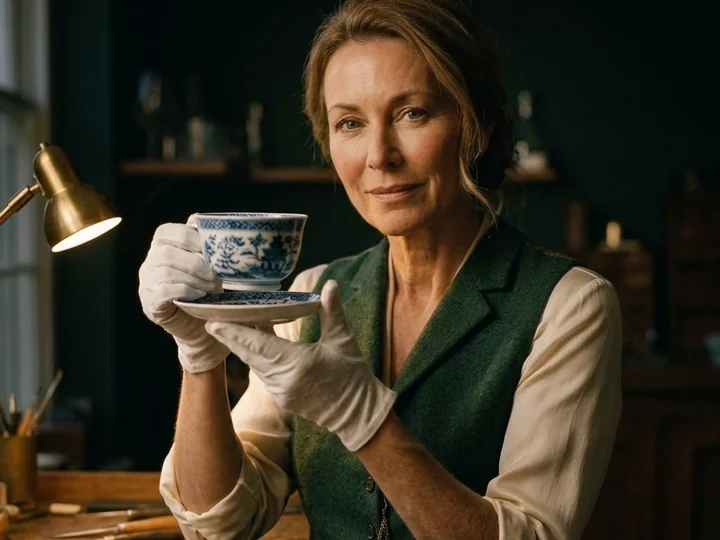
Read the estimate
You get a category, a likely maker and period, a condition note, an authenticity verdict and an estimated value range — each with the evidence behind it. Save it to your collection and move on to the next box.
Why it’s different
Built to be honest about what it can see
Most identification apps produce a confident number whatever you photograph. That is the fastest way to lose money on an antique.
-
Marks & hallmarks
It reads the small print
Backstamps, silver hallmarks, foundry marks, impressed numbers, registry diamonds and pattern names. These are what separate a £30 reproduction from a £900 period piece, and they are the first thing Trove looks for.
-
Honest uncertainty
It says “not enough evidence”
When the photographs do not support a conclusion, you are told exactly that, along with which shot would settle it — instead of a made-up price delivered with total confidence.
-
Value ranges
A band, and the reasoning
Real antiques sell in a range, not at a number. You get a low and a high, plus the condition and rarity factors that moved the estimate in each direction, so you can judge it yourself.
-
Private by default
Your collection is yours
Saved items live in a database on your own phone — not on our servers. Sign-in is anonymous: no name, no email address, no account to delete later.
Your collection
A private inventory of everything you have looked at
Every scan you keep is saved to your device with its photographs, its estimate and its date — an inventory you can search when you are standing in a shop trying to remember what the last one went for. Nothing about your collection is uploaded, synced or shared, and clearing the app clears it.
Useful for house clearances, estate sorting, flea market runs, thrift finds and working out which of the boxes in the loft is actually worth taking to a specialist.

Questions collectors actually ask
Identifying and valuing antiques
Short, honest answers about marks, worth, authenticity and when you genuinely need a professional.
-
How do I identify antique pottery marks?
Turn the piece over and photograph the base in good, even light — a backstamp, impressed number, incised initial or printed crown is usually all a maker leaves behind. In Trove you can attach up to two dedicated close-ups of the mark alongside your main photos, and the model reads them against the shapes, fonts and colourways that particular potteries used in particular decades. Marks change over a factory’s lifetime, so a mark often narrows the date as much as it names the maker.
-
What is my antique worth?
Almost never a single number. Value depends on maker, period, rarity, completeness, provenance and — enormously — condition: a hairline crack or a restored handle can take most of the value off an otherwise good piece. Trove returns a low-to-high range that reflects what comparable pieces realistically change hands for, plus the factors that pushed the estimate up or down, so you can see whether you are holding a £20 object or a £2,000 one.
-
How accurate is AI antique valuation?
It is only ever as good as the evidence in your photographs, and it is not an appraisal. No photograph lets it handle the object, feel the weight of the glass, check the wear on a foot rim or verify provenance documents, so treat every figure as a well-informed starting point rather than a settled one. Within that limit it is genuinely useful for triage: given sharp images, a legible mark and a clear view of the condition, it is built to separate a mass-produced 1970s transfer print from a hand-painted 19th-century piece, and it says so when the evidence will not support a conclusion.
-
How can I tell a reproduction from a period piece?
Look for the tells: seams and moulding marks in the wrong places, a base that is too clean and too white, wear that does not match how the object would actually have been used, screws or fittings that are too modern, printing dots under magnification where hand painting should be, and marks that copy a famous factory but get the details slightly wrong. Trove weighs the same signals and returns an authenticity verdict — authentic, uncertain or likely reproduction — with the reasoning behind it.
-
Do I still need a professional appraisal?
Yes, for anything that matters financially or legally. Insurance schedules, probate and estate division, tax, consignment to auction and any sale of a valuable piece all need a qualified appraiser who inspects the object in person and signs their name to the valuation. Trove is for the step before that: deciding whether the thing you found in a house clearance is worth a specialist’s time at all.
-
Is Trove free?
Trove starts with a fourteen-day free trial, with no account and no email address. After it, appraisals need a subscription: US$59.99 a year or US$5.99 a week, through the App Store and Google Play. Prices vary by country and your store shows the local figure before you confirm anything. Cancel any time in your store settings, and cancel before the trial ends and you are never charged. There is no per-day free allowance — an appraisal needs a running trial or an active subscription.
Want the longer answer? The guides cover what a dealer actually looks at — reading marks, photographing a piece so it can be identified, telling a reproduction from a period piece, and when an estimate from photographs stops being enough.
Find out what you are actually holding
Fourteen days free at launch. No account and no email address — your App Store or Google Play account handles the trial, and you can cancel inside it any time before it ends.